
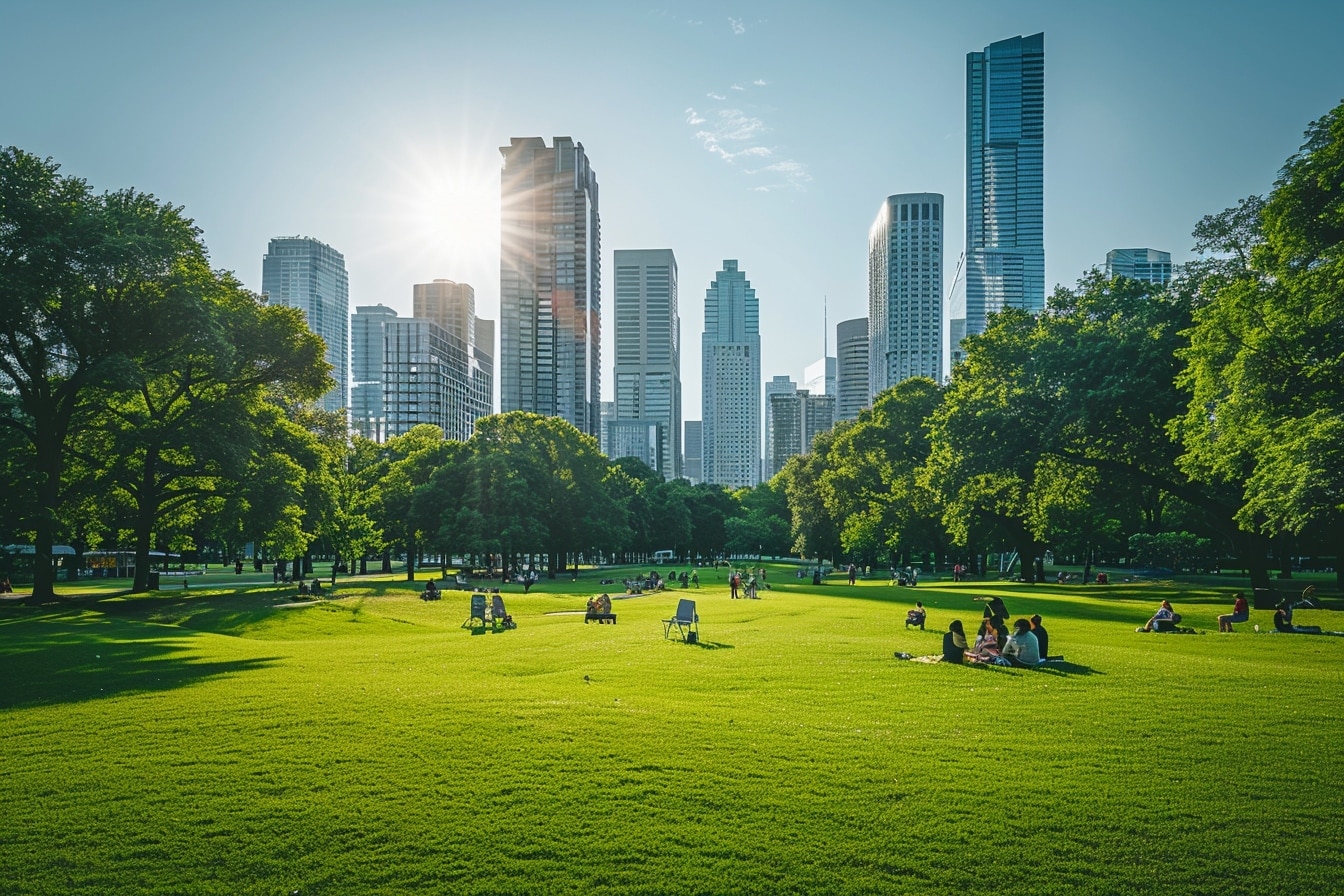
Cities are increasing investments in parks, public gardens, and tree-planting initiatives to improve environmental quality and enhance the well-being of residents. Urban green spaces provide recreational opportunities while helping reduce air pollution and heat during warmer months.
Local governments are redesigning unused land into community parks where families, children, and older adults can enjoy outdoor activities. Walking trails, cycling paths, and sports facilities encourage healthy lifestyles and strengthen community engagement.
Urban forests also contribute to biodiversity by creating habitats for birds and other wildlife. Environmental specialists note that trees absorb carbon dioxide, reduce noise pollution, and improve stormwater management during heavy rainfall.
As populations continue to grow, city planners believe expanding green infrastructure will remain an essential part of sustainable urban development.